
By John Bkila (NewsHooked) | Saturday, March 17, 2018 at 10:50
As the Irish and Irish-at-heart get ready to celebrate St. Patrick’s Day today (March 17), and while I hope you’re still sober enough to read this, I began thinking about the traditions that have become synonymous with the day, such as: Why do we wear green? How did the shamrock become the badge to wear? And why did drinking alcohol become the so-called main event?
Hold up — you mean it wasn’t always about getting sloshed? No, you booze-hound. Like many of the celebrations of today, there’s a deeper history behind it.
First off, St. Patrick wasn’t even Irish, nor was he born in Ireland. He and his family were Roman citizens living in modern-day England.
It’s believed his real name was Maewyn Succat and he changed it to Patrick after becoming a priest.
He became associated with Ireland after spending most of his adult life converting Irish pagans to Christianity. He would die on March 17 (hence the celebration day).

And to keeping blowing your minds: green wasn’t even the original colour associated with St. Patrick — it was blue.
In fact, it was a shade known as St. Patrick’s blue.
So, why the shift to green?
Well, to start, the colour was associated with Ireland because of its vast green countryside.
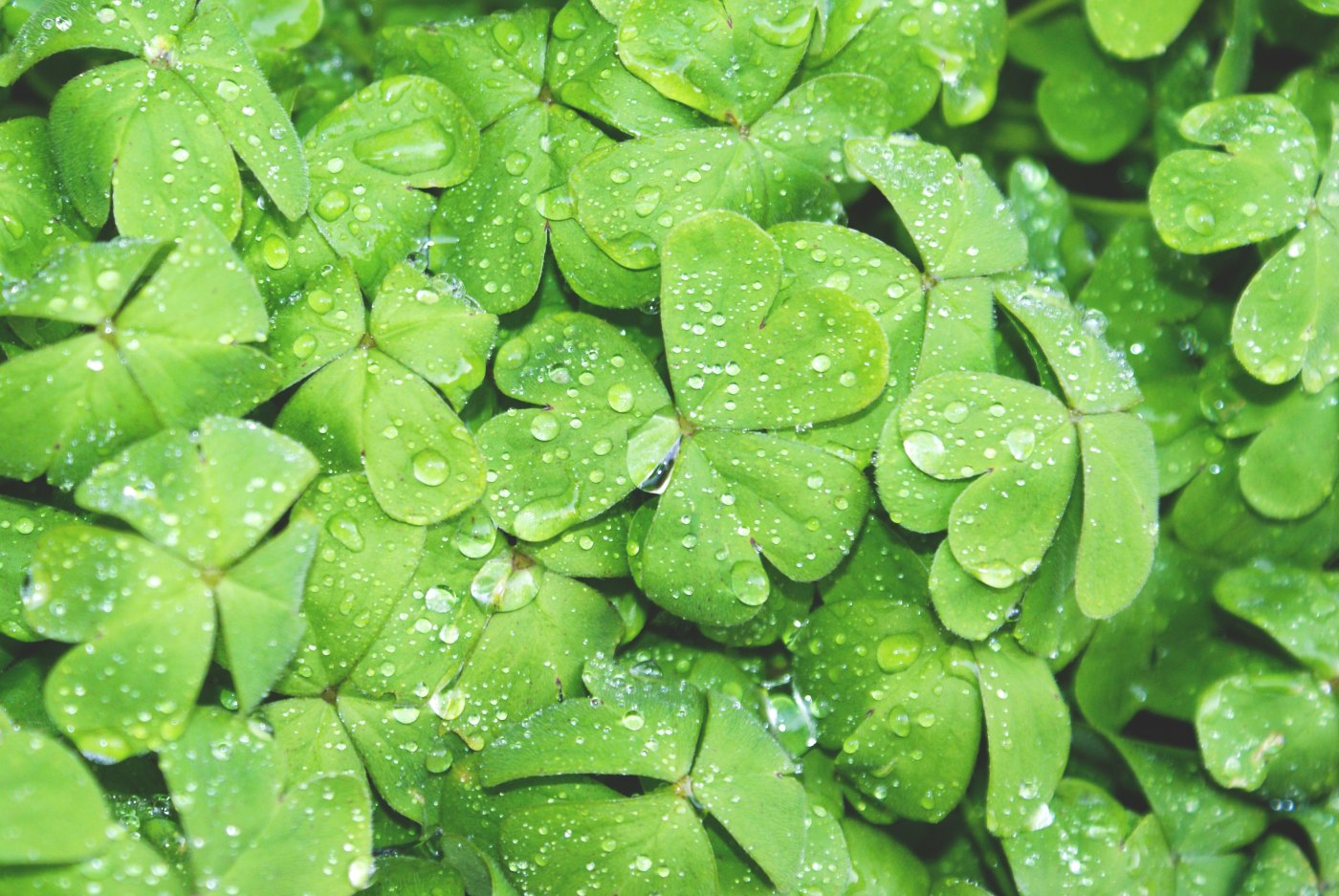
But more importantly, according to Irish folklore, St. Patrick cleverly used the three-leafed, green shamrock plant he found in Ireland to explain the Christian doctrine of the Holy Trinity to his converts in the fifth century.
So, the “wearing of the green” originally meant wearing a shamrock to show your faith — eventually, in the mid-1700s, people started thinking it meant you needed to wear green clothing.
During the United Irish Rebellion of 1798, the Irish took the celebration of their saint and its traditions and applied it politically to create green uniforms for their soldiers to show a united front against British rule.
As for why drinking alcohol and beer became synonymous with St. Patrick’s Day, we have to go back to medieval times.

In the Middle Ages, roughly between the 5th and 16th centuries, the celebration of a feast day or patron saint day involved heap loads of food, music, dancing and, you guessed it, alcohol.
But as March 17 usually falls during Lent — the 40-day fasting period in the Christian calendar — those abstaining from earthly goods found it a problem celebrating their patron saint.
So, church authorities declared March 17 a break day, which meant folks took advantage of the reprieve… excessively.
And there you have it.
So, while you get ready to celebrate St. Paddy’s Day, however you do, I leave you with my favourite Irish blessing/saying:
I drink to your health when I’m with you,
I drink to your health when I’m alone,
I drink to your health so often,
I’m starting to worry about my own.
Featured top photo “Clover, dew, plant and leaf” HD photo by Quentin REY / Unsplash
 NewsHooked
Leave a comment