
By John Bkila (NewsHooked) | Saturday, April 20, 2019 at 13:06
Ah Easter, arguably the most important event in the Christian religious calendar that follows the betrayal, death and resurrection of Jesus Christ… and the search for brightly-coloured eggs and consumption of chocolate bunnies — wait, what?
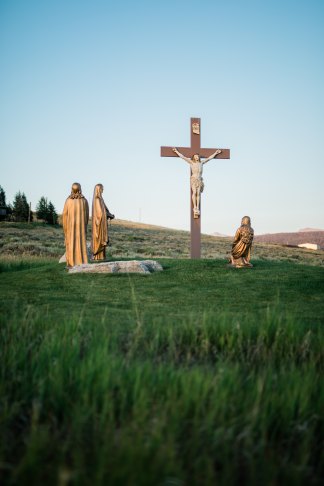
Easter celebrates Jesus Christ’s resurrection from the dead, three days after he was executed by crucifixion. So then, how exactly did the bunny get its adorable little fluffy paws on this festival, pivotal to Christian beliefs and faith?
Well, things can be linked once again to ancient Roman Catholicism’s efforts to merge its traditions with existing pagan ones to ensure their religion became the dominant one.
An article on Seeker.com states that according to the University of Florida’s Center for Children’s Literature and Culture, things can be traced back to pre-Christian Germany, 13th century, when the worship of many different gods and goddesses were commonplace.
There was a Teutonic deity name Eostra (sounds a bit like Easter, no?) who was the goddess of spring and fertility. And as with most celebrations of ancient gods and goddesses, they involved their worshippers holding elaborate feasts in their honour.
For Eostra, her worshippers honoured her on the Vernal Equinox (the first day of spring).
And does anyone want to take a guess at which animal was her symbol? Yup, the bunny rabbit — because of the creature’s high-reproduction rate. Spring was also the pagan symbol of new life and rebirth, and eggs were a common and ancient symbol of fertility.
Let’s skip ahead to the 15th century, when Roman Catholicism really started becoming the dominant religion in Germany, according to History.com, and where the Christian beliefs and celebrations of Jesus’ last days and resurrection merged almost perfectly with the themes of the pagan beliefs already ingrained in the people there.
As a side note, and according to a TIME.com article, Catholic churches had their congregations abstain from eggs during Lent (the approximate 40 days leading up to Easter) and eventually allow them to be consumed again once Lent broke after Good Friday and on Easter Sunday.

The legend of the Easter Bunny began to emerge and be documented in the 1500s, while the first story of a rabbit laying eggs and hiding them in a garden was published sometime in the 1680s. Those stories hopped on over into North America in the 1700s when German immigrants started settling in Pennsylvania Dutch country, in what is now the U.S.
Traditions then emerged that included making nests (and then baskets) for the rabbit to lay its eggs in before it hid them, and decorating eggs in bright colours.
Weirdly enough, the festival has sort of come full circle to a pagan-like feast where a large majority now eat candy, chocolate and other decadent treats and give small gifts to each other during Easter.
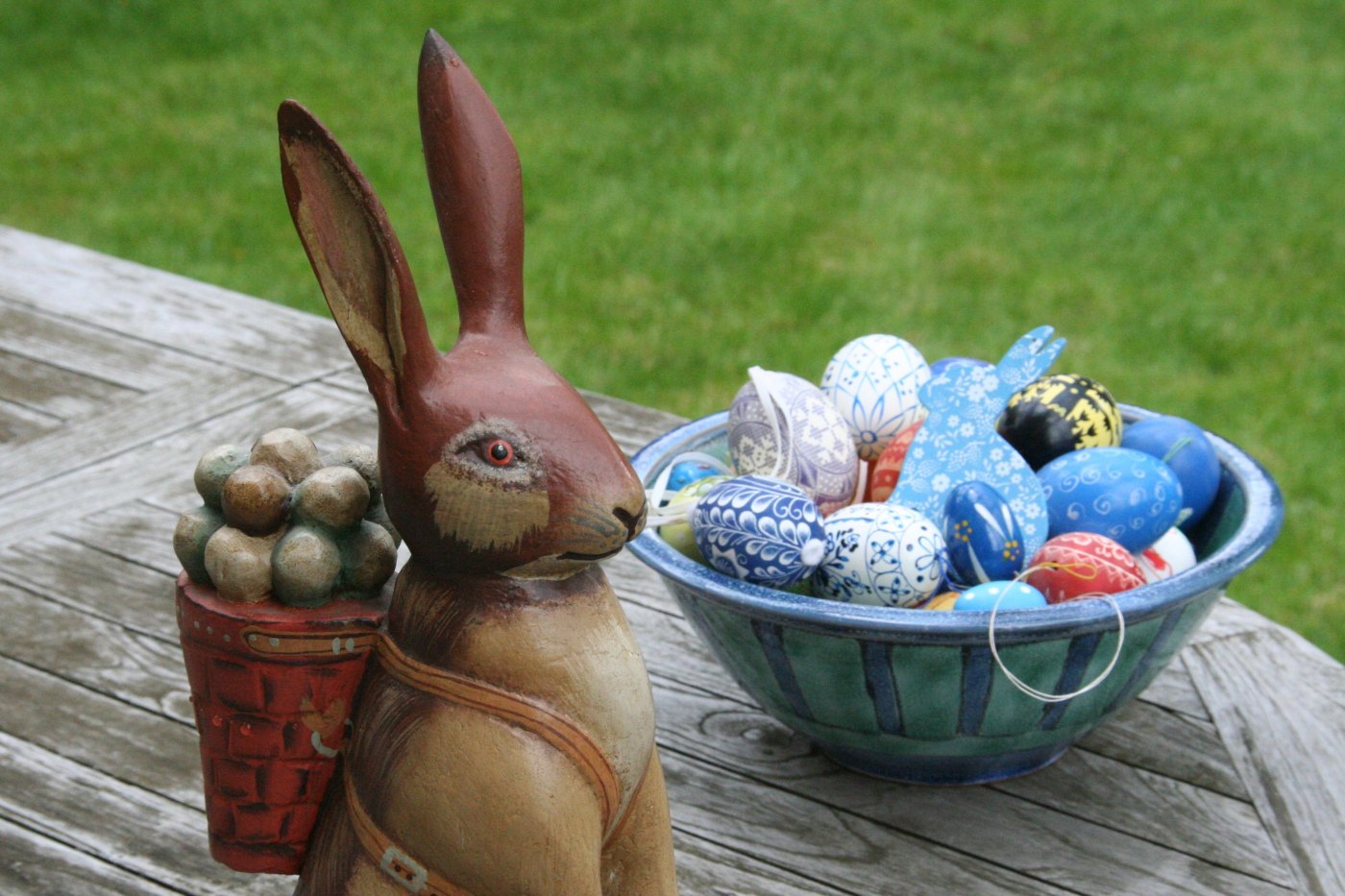
Featured top photo “Food, plant, egg and sphere” by Bee Felten-Leidel on Unsplash
 NewsHooked
I always wondered! Thanks for the answers John 🙂
LikeLike